Choosing the right speaker for your company’s Hispanic Heritage Month event is harder than it looks. The month runs from September 15 to October 15, the calendar fills up fast, and a forgettable keynote is a missed chance to add real value for your people.
I have spoken at these events for some of the largest organizations in the world and for much smaller companies. Here is what I would tell any organizer before they sign anything.
Think twice before going through a speakers bureau
A bureau gives you a bigger menu of speakers to choose from, and for some organizers that convenience is worth it. But bureaus generally mean higher fees, because the bureau takes a commission out of the speaker’s fee. You pay more, and the speaker you actually want often receives less.
If you already have a name or two in mind, contact the speaker directly. You will usually get a faster answer, a more honest conversation and a better price.
Don’t lock in the talk before you talk to the speaker
The second mistake is having too rigid an idea of the event. Organizers often arrive with a fixed brief, and then the speaker has to squeeze into it.
When you bring the speaker in early, we can mold the talk to your needs so you actually meet your objectives. Here is an example.
Procter & Gamble’s R&D Hispanic Affinity Group invited me to their Unleash event and asked for one talk about innovation. After we spoke, I blended my own story in as the starting point for innovation. That gave the room a broader perspective on three things: inquisitiveness, grit and cross-pollination, meaning how ideas from different disciplines and industries can solve problems that already exist. The audience was R&D talent from different business units, so that mix was exactly what they needed.
Had they stuck to the original brief, they would have gotten a good talk. Because we talked early, they got a better one.
Judge a speaker by trajectory, not a highlight reel
I think the best way to size up a speaker is their trajectory. Look at who they have worked with and how those engagements have grown. I have worked with some of the largest organizations in the world as well as with smaller companies, and the goal is the same each time: deliver.
I also prefer to be consultative. I don’t want to be pigeonholed into one type of talk, so my first move is always to find out what the client needs and whether it falls within what I can deliver. A speaker who starts by asking about your audience and goals is a better sign than one who starts by pitching a canned talk.
Be wary of free or ultra-low fees
Very low fees, or free speeches, are a red flag. The people worth hiring have worked hard to build their experience and exposure, and a price far below the market usually means the speaker is not yet proven, or is not treating your event seriously.
What a Hispanic Heritage Month speaker costs
It depends on what you ask for and what the event requires. As a rough guide, my fees run from about $5,000 for a virtual keynote to $10,000 or more for an in-person engagement that combines a keynote and a workshop. Every client’s needs are different, so the useful question is not “what is your fee?” but “what do we need this event to do?”
Who is the room really for?
Many organizers assume a Heritage Month event is only for Hispanic employees. In my experience, the room is often bigger than that.
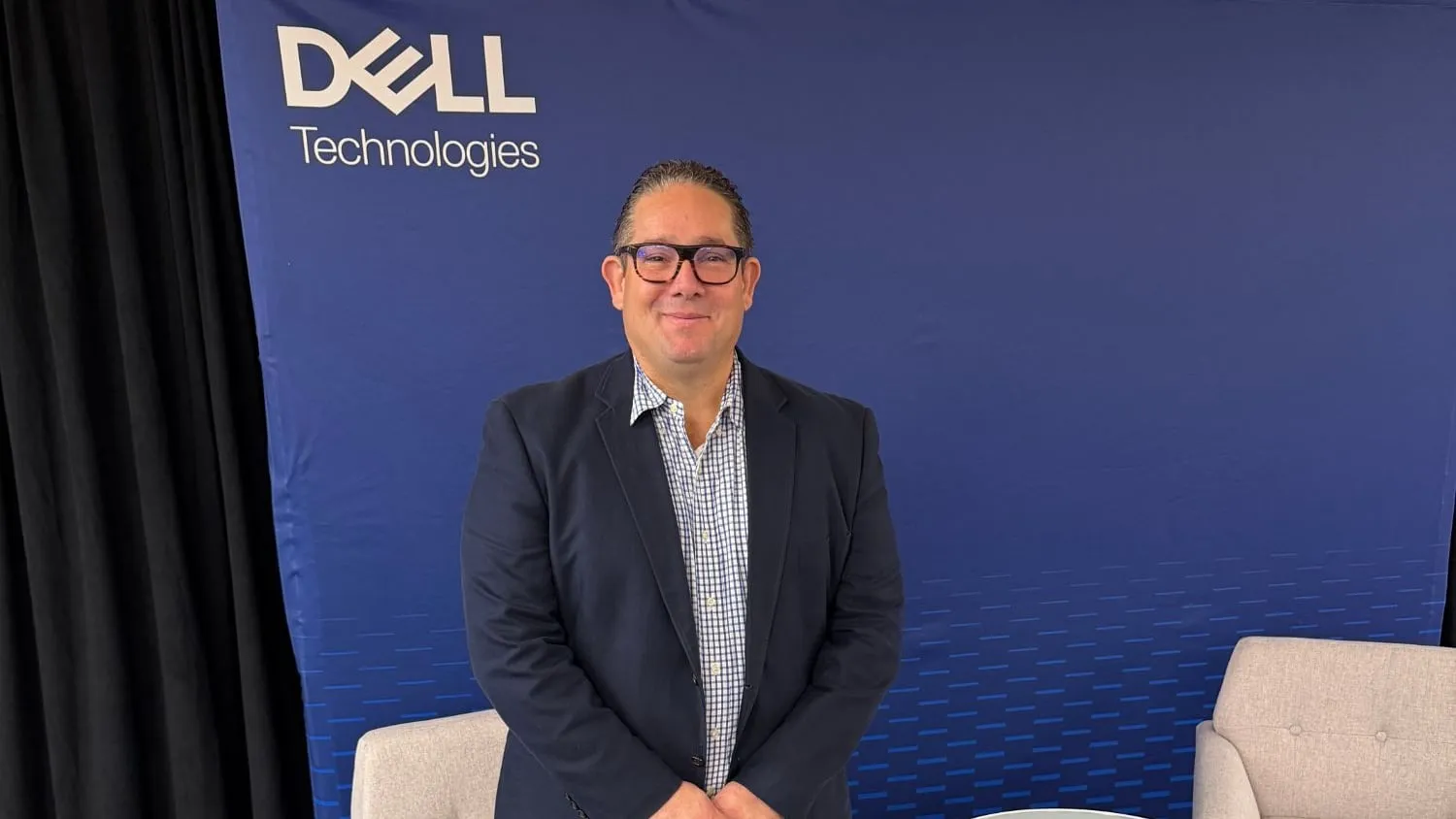
I have spoken at events shared by several resource groups at once. I have also spoken at events meant for the whole organization that were simply pitched as Heritage Month events. At Dell, for example, several ERGs were involved, and there was a Zoom link so participants all over the world could join.
So plan for the broadest audience you might have. And whether your company says ERG or BRG, remember that the talk is for the people who make the group possible, not only its members.
What makes the talk memorable
Most organizers I work with already know what they want: an impactful keynote that people will remember, one that adds value to the organization overall and to the attendees who make the ERG or BRG possible. Boosting attendance matters too, and some events add a leadership development workshop.
In my experience, a talk lands when people can identify with the speaker’s personal story. I also believe that we can grow complacent with the abundance we experience day to day. Abundance is a good thing, but it can dull creativity. You need constraints to be more creative and innovative, which is why I like to show audiences how to simulate adversity on purpose.
When to book
Three to six months ahead is the sweet spot. Honestly, the sooner the better.
Heritage Month runs only 31 days, so the best dates go early. We constantly get last-minute requests only to find we are already booked. If your event is in mid-September, start your search between March and June.
Questions I would ask any speaker
Before you decide, I would ask:
- Who have you worked with, in organizations like mine and in different ones?
- Can you shape the talk around our goals and our audience, and when do you need to start that conversation?
- What exactly is included in the fee: the keynote, a Q&A, a workshop, a panel?
- Is the fee in line with the speaker’s experience, and is there a bureau commission inside it?
- What do you want to know about our people before you write a word?
One last thought: innovation is a team sport
I’ll leave you with the idea I care about most. Innovation is more and more a team sport if it is going to succeed. The myth of the lone inventor is possible, but today’s environment is so complex that validation, development and go-to-market all depend on teams. Diverse teams do better.
And we are seeing a new member of the team: AI. It can help brainstorm, run red teams and serve as a companion that takes ideas further than ever before. A good Heritage Month speaker helps your people see that and gives them a reason to act on it together.
Planning a Hispanic Heritage Month event for next year? Check availability and let’s talk about what you need it to do. You can also see my ERG and BRG keynotes or my signature talk, Innovating with an Accent.